Yemen’s Frozen War Thaws: How a Four-Year Calm Collapsed and Why the Red Sea Is Now at Stake
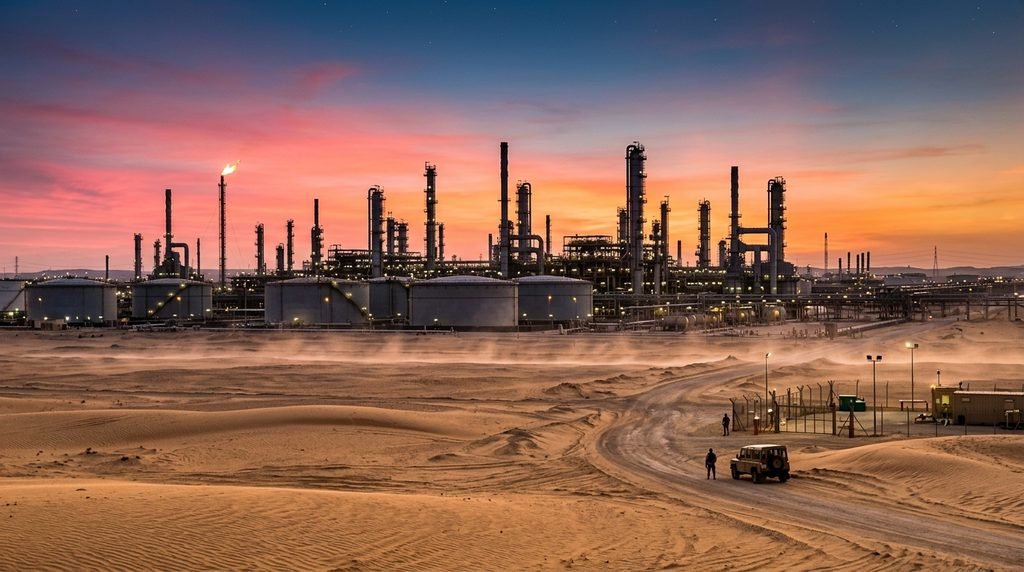
On Sunday, the Saudi-backed head of Yemen’s Presidential Leadership Council, Rashad al-Alimi, announced the start of a military campaign to retake the remaining territory held by the Houthis and restore state authority across the country. The declaration followed a day in which government forces claimed 257 “precision targeting operations” against Houthi sites and capabilities. On the same day, the Houthis said they had struck an Aramco facility near Riyadh, which a Saudi-led coalition spokesman called misleading.
Only a few months ago, Yemen’s war was widely described as frozen. It is not frozen now. Understanding why requires going back to the text you supplied, checking it against what has happened since, and placing a local war inside a much larger regional one.
From 2014 to the “truce”: the short version
The basic chronology holds. Yemen has been at war since the Houthis seized Sanaa in 2014 and forced the government to retreat to Aden. A Saudi-led coalition intervened in 2015 on the government’s side. In April 2022, the UN brokered a truce. It was renewed twice and was due to end on 2 October 2022, and the sides failed to extend it before that deadline.
Here the story has a wrinkle that matters. The formal UN truce lapsed in October 2022, but both sides avoided a full resumption of hostilities and in effect maintained a ceasefire. A core sticking point was Taiz, since the April arrangement had called for lifting the Houthi blockade of the country’s third-largest city, and that never happened. The calm that followed was therefore informal, resting on a Saudi-Houthi understanding more than on any signed settlement.
That informal calm is what ended in July 2026. So the “July” in the original text refers to this year. The October 2022 lapse and the July 2026 collapse are two separate events.
13 July 2026 : the airport strike that ended the calm
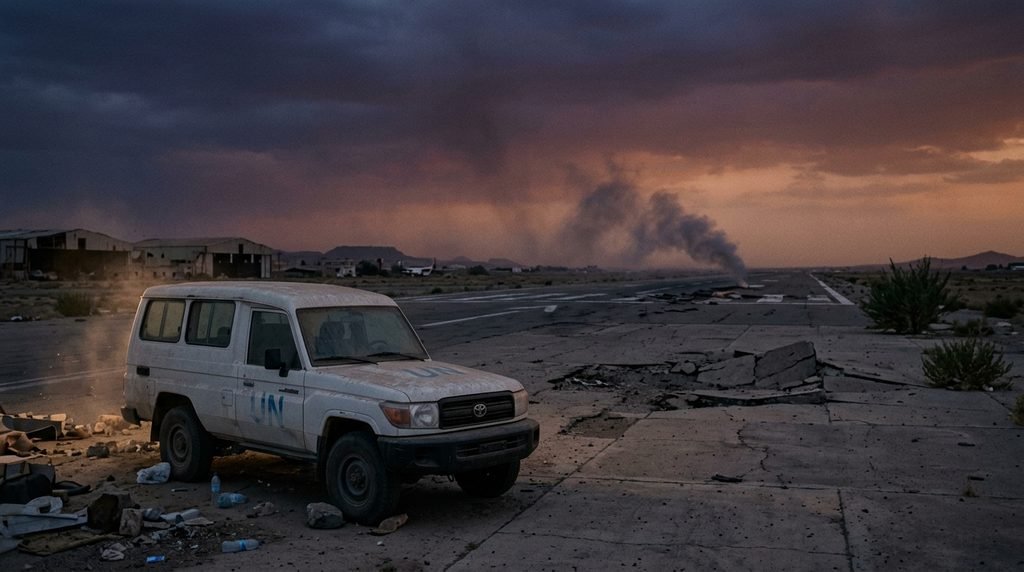
The trigger was an airport. The Houthis had organised direct flights from Iran to Sanaa, which angered the government and its Saudi backer. On 13 July 2026, the government claimed responsibility for a strike on Sanaa airport, saying it wanted to stop an Iranian plane from landing. The Houthis blamed Riyadh. Their spokesman declared the de-escalation phase over, and they fired a missile at Abha airport in southern Saudi Arabia. Reports described the exchange as the first Houthi attack claimed against Saudi Arabia since the informal truce began.
The attribution dispute is itself revealing. The government said it carried out the strike itself, while the Houthis insisted Saudi Arabia did it. That ambiguity lets Riyadh keep some distance from the escalation, a convenience it may value as it tries to protect its own infrastructure. For the Houthis, it offers a pretext to hit Saudi territory without conceding that the government is an independent actor.
Analysts also flagged the background. Weeks earlier, negotiations over a prisoner exchange had collapsed, removing one of the few working channels between the sides. An expert quoted by The National said the truce was hanging by a thread. It snapped within days.
September: the war moves to the coast
If July was the spark, September was the fire. On 3 September the Houthis launched an offensive against the government, with clashes beginning in Taiz. The more consequential move came on 10 September, when the Houthis seized the port city of Mocha on the southern Red Sea coast, along with the Hanish Islands.
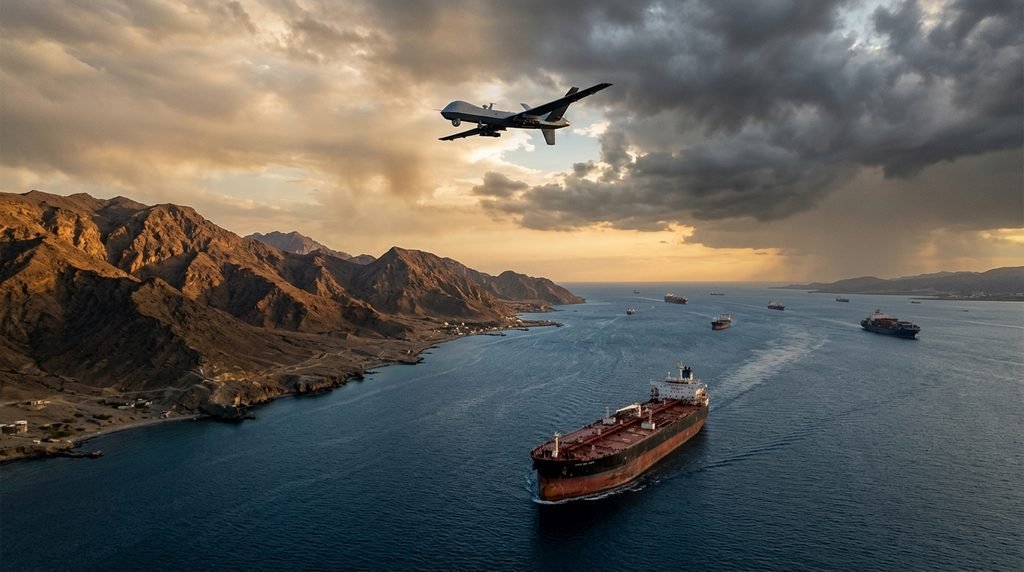
Mocha matters because of where it sits. It is roughly 50 miles north of Bab al-Mandeb, the narrow strait that links the Red Sea to the Gulf of Aden. Before the Houthi shipping campaign that began in late 2023, over 9 million barrels of oil per day passed through it. Holding the coast and nearby islands better positions the group to choke off exports via the strait.
Some claims have run ahead of the evidence. Reports circulated that the Houthis had taken full control of the strait, but one outlet noted that wire services had not confirmed it. The confirmed picture is narrower. Government forces announced on 13 September that they had recovered some territory near Bab al-Mandeb, and Al Jazeera reports that anti-Houthi forces have since stabilised the front lines. Whether that stabilisation holds is the central military question of the coming weeks.
Why the Red Sea changes the arithmetic
The Houthi advance cannot be read apart from the wider Iran war. Iran largely closed the Strait of Hormuz in the opening days of its war with the US and Israel, and Saudi vessels have since used Bab al-Mandeb for crude exports. The Red Sea has become Saudi Arabia’s workaround, and the Houthis sit beside it.
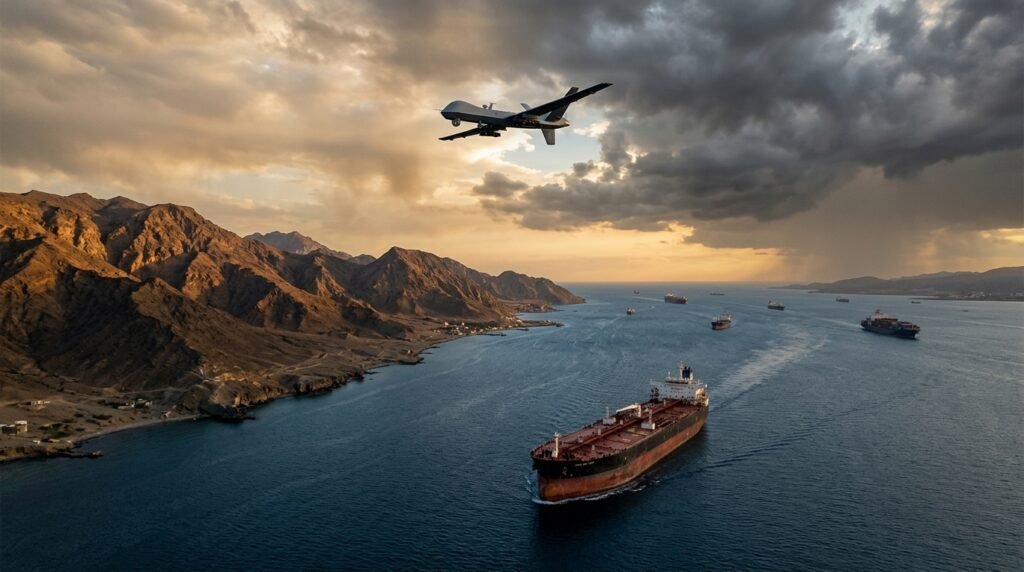
The group has been testing that vulnerability for months. A Congressional Research Service report notes that the Houthis restarted attacks on Israel during the 2026 US-Israel-Iran conflict and, after the July flare-up, announced they would target Saudi-linked ships. In late July, the Houthis said they had hit two oil tankers in the Red Sea. By early August, the group had announced an embargo on Saudi exports via Bab al-Mandeb, and an India-flagged tanker carrying Saudi-origin crude sank after being hit.
This is the logic that makes the conflict global. A Houthi lever over Saudi exports is also a lever over oil prices and over the Gulf’s alternatives to Hormuz. Riyadh’s choices narrow accordingly. It can try to degrade Houthi capacity, which risks more strikes on its own territory. Or it can seek a deal, which risks looking weak while Iran is under pressure.
The government’s gamble
Al-Alimi’s announcement fits a pattern of governments reaching for a decisive move after setbacks. He made it after a period in which, per Al Jazeera, he had lost ground on the western Red Sea coast and was urging the public to enlist while offering amnesty to Houthi defectors.
Treat the battlefield numbers with care. The government spokesman said strikes killed at least 700 Houthi fighters and destroyed 170 vehicles in a single day, after claiming 1,540 killed or wounded the day before. These are one side’s estimates, issued at a moment when the government has strong incentives to project momentum. An independent tally cited by the Long War Journal, based on Houthi funeral announcements, put confirmed Houthi deaths at 332 as of 13 September. That figure comes from a different method and a different date, so the two cannot be compared directly, but the gap is a reminder of how little is independently verified.
The Houthi side also makes claims that outside sources cannot yet confirm, including the Aramco strike near Riyadh. What is documented is the cross-border pattern. The coalition says it intercepted a Houthi ballistic missile aimed at Khamis Mushait on 2 October and blamed the Houthis for a strike on a Medina substation that powers the Prophet’s Mosque. If accurate, hitting infrastructure tied to a site holy to Muslims worldwide would be a notable escalation in target selection.
Capabilities are growing, and sanctions are not keeping up
A quieter but important thread runs through the Security Council’s October outlook. Reporting suggests the UN Panel of Experts found that Houthi capabilities have increased as more arms are produced inside Yemen and as supply chains grow more sophisticated, while the arms embargo has become insufficient to stop the flow of sanctioned materiel. The panel’s final report is due on 15 October.
This undercuts a premise that has underpinned international policy since 2015: that restricting imports could cap the Houthis’ strength. If domestic production is expanding, the embargo’s leverage shrinks, and so does the credibility of pressure-based diplomacy. It also helps explain why Houthi missiles and drones keep reaching Saudi territory despite years of interdiction.
The human cost, again
Beneath the maps and missiles is a population that was already in extremis. The UN’s 2026 humanitarian plan says 22.3 million people need assistance and protection, and nearly 40 per cent of health facilities are partially or not functioning. The appeal is for US$2.16 billion to reach 12 million people, and one report puts acute food insecurity at 18.3 million people. Money is the constraint: funding stood at only about 13 per cent of requirements at the time of that report.
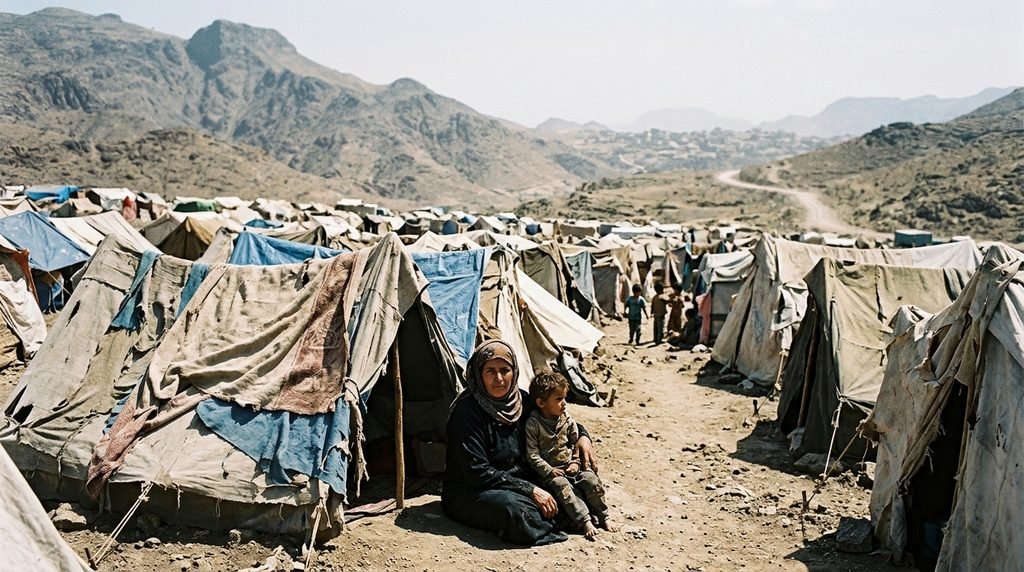
The new fighting has landed on top of this. UNICEF reported in late September that nearly 130,000 people, including an estimated 71,000 children, have been displaced in three weeks, mostly in Taiz Governorate, where fighting and blocked roads trap people. Earlier figures show the disruption to services: 243 schools closed or suspended classes, affecting more than 137,000 students, and 26 UNICEF-supported health facilities saw services interrupted. The IOM counted nearly 94,000 people fleeing their homes in the first half of September. Some are now crossing the strait itself: more than 2,000 people, many of them children, have arrived in Djibouti after dangerous sea crossings.
Four reasons the war reignited
Looking across these events, four drivers stand out.
- A truce with no political settlement. The 2022 arrangement reduced violence without resolving anything. Taiz’s roads, public-sector salaries and airport access stayed unresolved, so each became a pressure point.
- Iran’s war reshaped everyone’s incentives. The Houthis gained leverage and motive. For Saudi Arabia and its allies, Iranian flights landing in Sanaa became a red line, and the airport strike followed.
- Geography turned into leverage. With Hormuz disrupted, the Red Sea’s value to Riyadh rose sharply, and so did the value of the Houthi-adjacent coast. That made Mocha and the strait objectives of strategic, not just local, importance.
- Weak diplomacy. The collapse of prisoner-exchange talks removed a channel for de-escalation just before the July rupture.
What to watch
- The Security Council session and the 15 October Panel of Experts report. Both will show how much international appetite exists for new pressure or a negotiated pause.
- Taiz and the western coast. Whether government lines hold near Mocha and Dhubab will determine if the strait stays contested or tilts toward the Houthis.
- Saudi targeting choices. Strikes on Saudi infrastructure, whether verified or only claimed, push Riyadh toward either wider retaliation or a quiet back channel.
- The Iran track. Because Houthi decisions have tracked the broader US-Iran conflict, any shift there could rapidly change behaviour in Yemen.
- Humanitarian funding. With appeals badly underfunded and displacement rising, even a ceasefire would face a long recovery.
Sources
- Al Jazeera: Yemen’s leader announces military operation
- Al Jazeera: Houthis claim strike on Aramco site
- Al Jazeera: Yemen’s army says it targets Houthis
- Security Council Report: October 2026 Yemen forecast
- CFR Global Conflict Tracker: War in Yemen
- FDD Long War Journal: Houthis take Yemen’s Red Sea coast
- Newcastle Herald (AAP): Houthis seize two Red Sea islands
- AFP via Al-Monitor: Yemen govt says it hit Sanaa airport
- The National: Informal truce on brink of collapse
- USNI News: CRS report on Yemen and Red Sea security
- UNICEF: Hunger and malnutrition stalking Yemen’s children
- UNICEF: Renewed hostilities push over 12 million children deeper into crisis
- OCHA via ReliefWeb: 2026 Yemen HNRP
- AP via Ahram: Warring sides fail to extend UN-backed truce (2022)